Add your promotional text...


The Global & International Security Program produces rapid-response commentary, strategic assessments, and policy-relevant analysis intended to support informed decision-making and public understanding of complex security challenges. By combining regional expertise with cross-border insights, this initiative provides a comprehensive perspective on the forces shaping global stability today.
Global & International Security Program
About
The Global & International Security Program examines the political, military, and transnational forces shaping regional stability and international security. Analysis focuses on alliances, regional dynamics, transnational threats, and global economic and maritime vulnerabilities. Research and commentary are designed to inform policymakers, analysts, and the public with timely, actionable insights.
Program Focus Areas
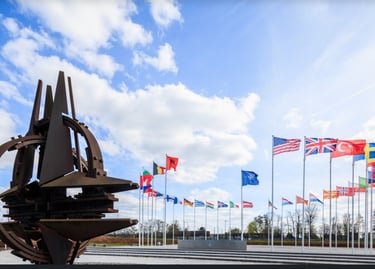
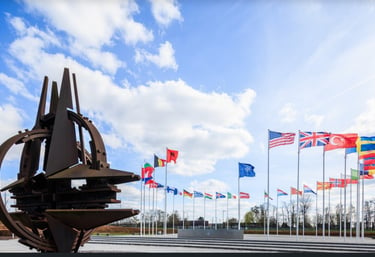


Transatlantic Security
Analysis of NATO and U.S.–Europe security relations, with a focus on deterrence, force posture, defense industrial capacity, and alliance cohesion amid renewed geopolitical competition. This section explores how political fragmentation, shifting threat perceptions, and emerging challenges are reshaping transatlantic security, testing the resilience of alliances, and influencing the credibility of collective defense.
The Americas
Examines security dynamics across North, Central, and South America, including border management, the influence of organized crime networks, and challenges to democratic institutions. It also considers migration pressures, economic instability, and the evolution of U.S. hemispheric strategy, highlighting how domestic and regional developments interact to shape security outcomes and influence policymaking across the Western Hemisphere.
The Middle East
Focuses on the complex security landscape of the Middle East, including regional power competition, state fragility, and shifting alliances. It addresses proxy conflicts, energy security, and the risks associated with evolving military postures, emphasizing how regional tensions intersect with global strategic interests and influence stability across the broader international system.
Transnational Threats
Explores cross-border challenges that undermine state authority and global stability, including terrorism, extremist networks, cyber and hybrid operations, illicit finance, and irregular migration. This section highlights the interconnectivity of modern security threats and examines how states, coalitions, and international organizations respond to challenges that cannot be contained within national borders.
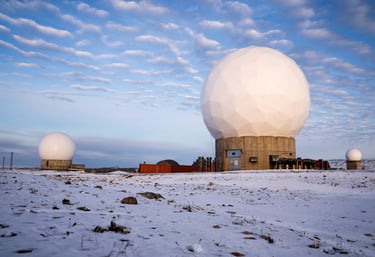
Greenland and Europe’s Strategic Imperative: Securing the Arctic in a New Era of Great-Power Competition
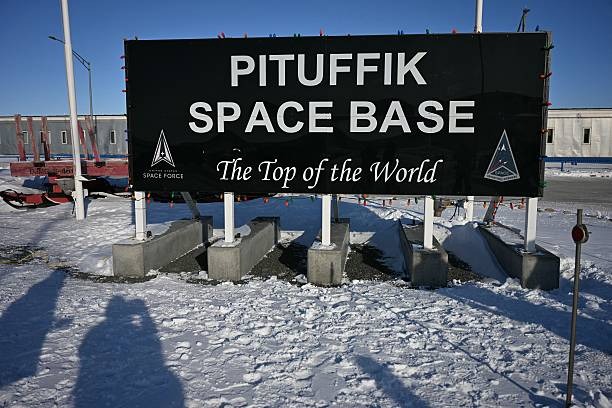


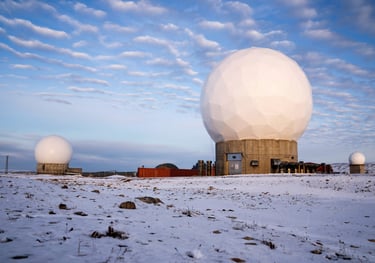
Featured Analysis
Stay Informed

COLUMBIA HEIGHTS - Post Office™
3321 GEORGIA AVE NW,
WASHINGTON, DC 20010
© 2026. All rights reserved.
Contact communications@cfadp.org
About CFADP
Research
Programs
Careers
Events
Sign up to receive expert analysis from the Center for Foreign Affairs & Defense Policy—bringing you clear insights on the world’s most pressing issues, rapid updates as events unfold, and highlights from our latest research and commentary.