
The “No One Washes a Rental Car” Theory of International Relations & Greenland
The "No One Washes a Rental Car" theory of international relations is a blunt but revealing metaphor: actors treat what they do not own, or do not expect to own for long, with less care, fewer long-term investments, and a higher tolerance for risk. This metaphor has been adopted into international relations to illuminate the dynamics of control and accountability. The theory differs from major international relations frameworks such as realism and liberalism. Realism focuses on power relations and self-interest among sovereign states, emphasizing competition in an anarchic international system. Liberalism, by contrast, emphasizes cooperation, a rule-based international order, and mutual benefits from interactions. The 'rental car' logic offers an innovative perspective by concentrating on the implications of perceived ownership and stewardship over territories. It complements realism by emphasizing short-term incentives in power relations, while offering a contrasting lens to liberalism by questioning the assumption of long-term coordination and mutual benefit. In doing so, it fills a gap in explaining why states might prioritize short-term gains over long-term collaboration, a notion often neglected in traditional theories. In global politics, this logic frequently occurs when sovereignty is ambiguous, time horizons are short, or responsibility is diffuse. It is a theory about incentives, not morality, and it helps explain why flashpoints emerge around territories that feel strategically vital yet politically peripheral.
Applied to President Donald Trump's threats to "take" Greenland, the theory exposes a deeper contest over ownership, stewardship, and leverage in an era of great-power competition. Greenland is not a "rental" in the legal sense—it is an autonomous territory within the Kingdom of Denmark—but in strategic discourse it is often treated as one: indispensable to Arctic security and mineral access, yet assumed to be underinvested in and underdefended, and therefore fair game for coercive bargaining. Greenland's unique position as a strategically central yet politically peripheral territory makes it an illustrative case. Its vast untapped mineral reserves and its crucial geopolitical position in the Arctic further increase its strategic importance. Furthermore, similar dynamics are observable in other regions, such as Crimea and the South China Sea, where ambiguous governance and military significance lead to contested claims of stewardship. From the Greenlandic perspective, this framing as a 'rental' is commonly regarded as dismissive of their autonomy and governance rights, bringing about increased efforts for political assertion and international partnership diversification. Greenlandic officials have responded by seeking stronger ties with other Arctic nations and pushing for greater recognition of their self-governance in international forums. Danish actors, on the other hand, view such rhetoric as damaging their sovereignty and hindering their diplomatic efforts to balance national interests with global strategic demands. In response, Denmark has strengthened its pledge to Greenlandic autonomy through policy initiatives and increased diplomatic cooperation with other Arctic stakeholders.
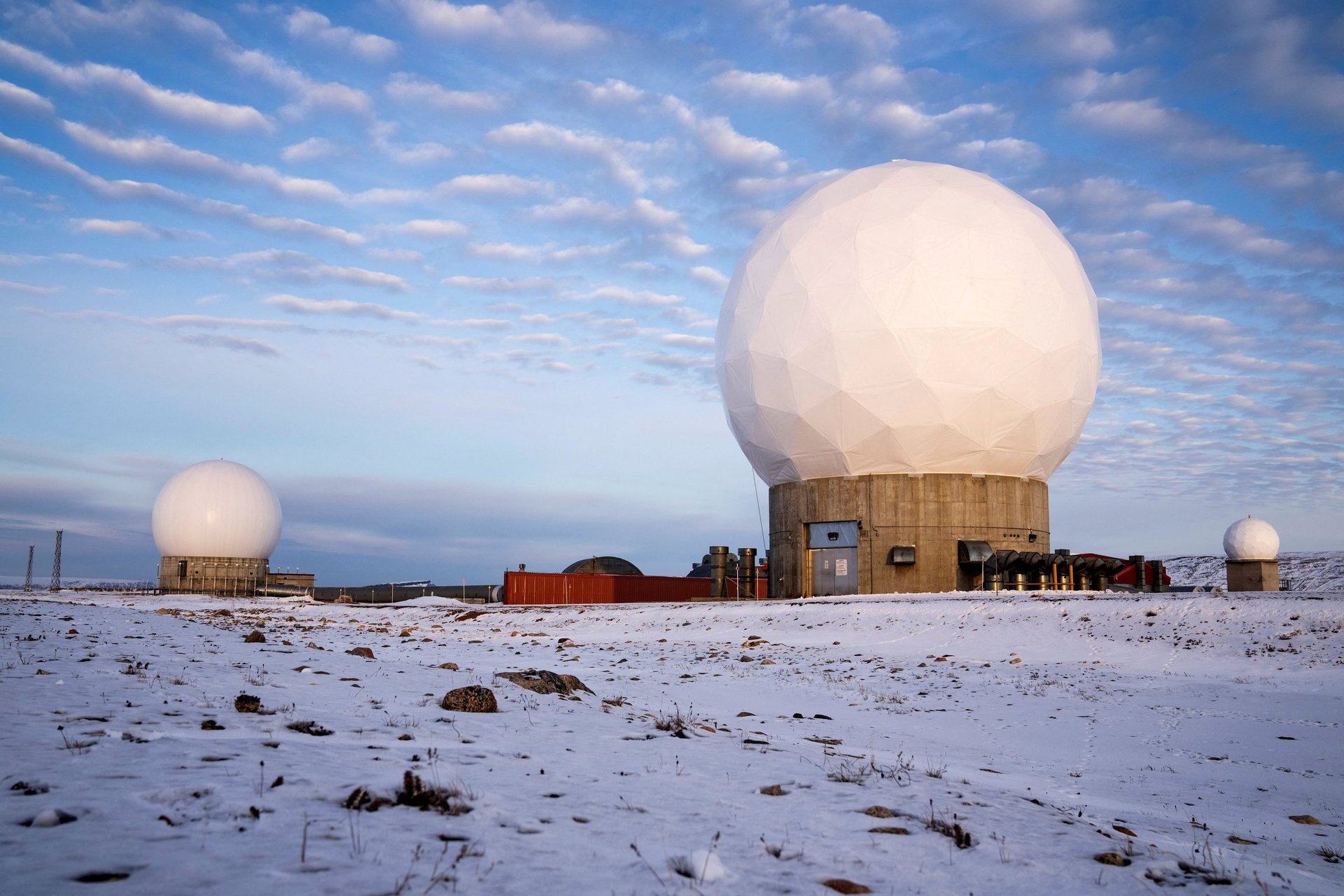
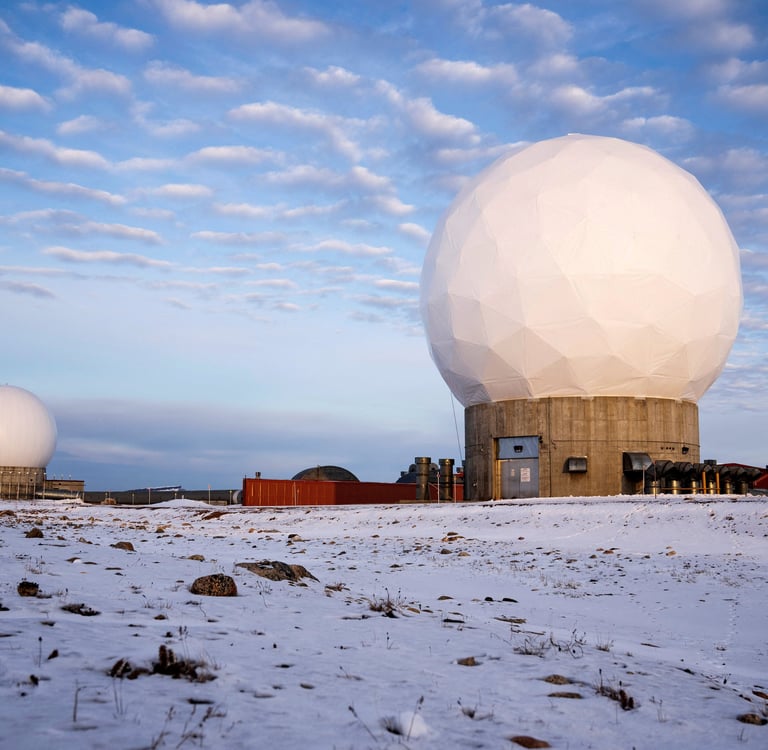
From Washington's perspective, Greenland's value is obvious. Its location anchors the GIUK Gap and Arctic approaches; its territory hosts critical U.S. military infrastructure; and its geology contains rare earths and other strategic minerals increasingly central to industrial policy. The GIUK Gap, an acronym for Greenland-Iceland-UK, is a naval chokepoint important for monitoring traffic between the North Atlantic and the Arctic Ocean, making control and surveillance in this region strategically vital. Imagine for a moment: What would you prioritize if these minerals sat off your own coast? The fear implicit in the rental-car logic is that if the current steward cannot or will not invest quickly enough, someone else will exploit the gap. In that framing, pressure serves as a means to compel better 'maintenance' or to transfer the keys.
To address these concerns and avoid the pitfalls of the 'rental car' logic, Washington could explore specific policy options. One approach might be to pursue joint investment projects with Denmark and Greenland, focusing on infrastructure development that benefits all parties. This could include initiatives like improving Greenland's port facilities or upgrading its telecommunications network. Additionally, establishing multilateral stewardship programs could help ensure the responsible management of the region's resources, thereby promoting collaboration rather than competition. Such steps would demonstrate a long-term devotion to Greenland, encouraging trust and stability while protecting strategic interests.
But the theory cuts both ways. When powerful states treat others' territory as temporary or conditional, they invite the very neglect they claim to fear. Threats of acquisition or coercion reduce incentives for long-term cooperation, weaken local trust, and encourage hedging. A relevant example is the 1953 U.S. acquisition of Thule Air Base in Greenland, which, though essential for strategic military interests, also led to the displacement of local Inuit populations without adequate consultation, causing resentment and mistrust. More recently, Russia's annexation of Crimea has shown how similar logic applies, where treating Crimea as a 'rentable' asset led to a reduction in long-term investment and economic security in the region, destabilizing local governance and amplifying diplomatic strains. However, there are cases where the 'rental car' logic doesn't fully apply or leads to unexpected results. For instance, regions allocated temporary stewardship have seen an influx of development and investment, contrary to the usual expectation of neglect. Additionally, certain short-term strategic objectives have been met successfully without long-term detriment, suggesting that context greatly influences outcomes. Greenlandic leaders, sensitive to being discussed as an object rather than a polity, respond by diversifying partners and asserting autonomy. Denmark, placed on the defensive, doubles down on sovereignty claims rather than joint investment. The 'rental' framing thus accelerates political wear and tear.
There is likewise a strategic irony. Rental-car behaviour prioritizes speed over maintenance, focusing on short-term gains rather than long-term alignment. Yet Arctic competition rewards patience: infrastructure, environmental management, and community consent matter more than headline-grabbing demands. Treating Greenland as something to be seized risks converting a stable security partner into a contested space in which legitimacy is questioned and rivals gain narrative ground. However, there are instances where short-term strategies have succeeded. For example, rapid economic incentives have occasionally stabilized regions by rapidly attracting international investment, leading to short-term growth. Additionally, certain geopolitical maneuvers have quickly shifted power relations to benefit immediate strategic objectives. Such exceptions show that, while the 'rental' logic often leads to instability, there can be situations in which rapid action yields temporary gains. These examples show the fine balance between rapid tactical moves and long-term strategic planning.
The lesson of the 'No One Washes a Rental Car' theory is not that ownership should change hands, but that responsibility should. If Greenland is indispensable to North American and European security, it should be treated like a vehicle one plans to keep: maintained through sustained investment, respect for local governance, and joint stewardship. Pressure politics may feel efficient, but in international relations, as on the highway, it often leaves long-term damage for everyone who rides along. Imagine an energetic Arctic future: a well-maintained base that honours shared interests under the united flags of the United States, Denmark, and Greenland, symbolizing joint commitment and enduring partnership. Such a vision offers both security and trust, showing the responsible way forward.
This commentary is published by the Center for Foreign Affairs & Defense Policy (CFADP), an independent, nonprofit, tax-exempt research organization dedicated to the study of international affairs, security, and defense policy. CFADP’s work is nonpartisan and nonproprietary, and the organization does not advocate for specific policy outcomes. The analyses, interpretations, and conclusions presented herein are solely those of the author(s) and do not necessarily reflect the views of CFADP, its leadership, or affiliates.
© 2026 Center for Foreign Affairs & Defense Policy. All rights reserved.
Commentary was written by the Center for Foreign Affairs & Defense Policy Global and International Security Program
Commentary by: The Center For Foreign Affairs & Defense Policy
Published February 13, 2026
Stay Informed

COLUMBIA HEIGHTS - Post Office™
3321 GEORGIA AVE NW,
WASHINGTON, DC 20010
© 2026. All rights reserved.
Contact communications@cfadp.org
About CFADP
Research
Programs
Careers
Events
Sign up to receive expert analysis from the Center for Foreign Affairs & Defense Policy—bringing you clear insights on the world’s most pressing issues, rapid updates as events unfold, and highlights from our latest research and commentary.